
Short answer: travel to the southern Serengeti from January to March for calving, the western and northern Serengeti from roughly June to July as herds move north, and the northern Serengeti or Masai Mara from about July to October for the river-crossing season. Rainfall and grazing decide the exact movement, so no ethical safari planner can guarantee a crossing on a particular day.

What is the Great Wildebeest Migration?
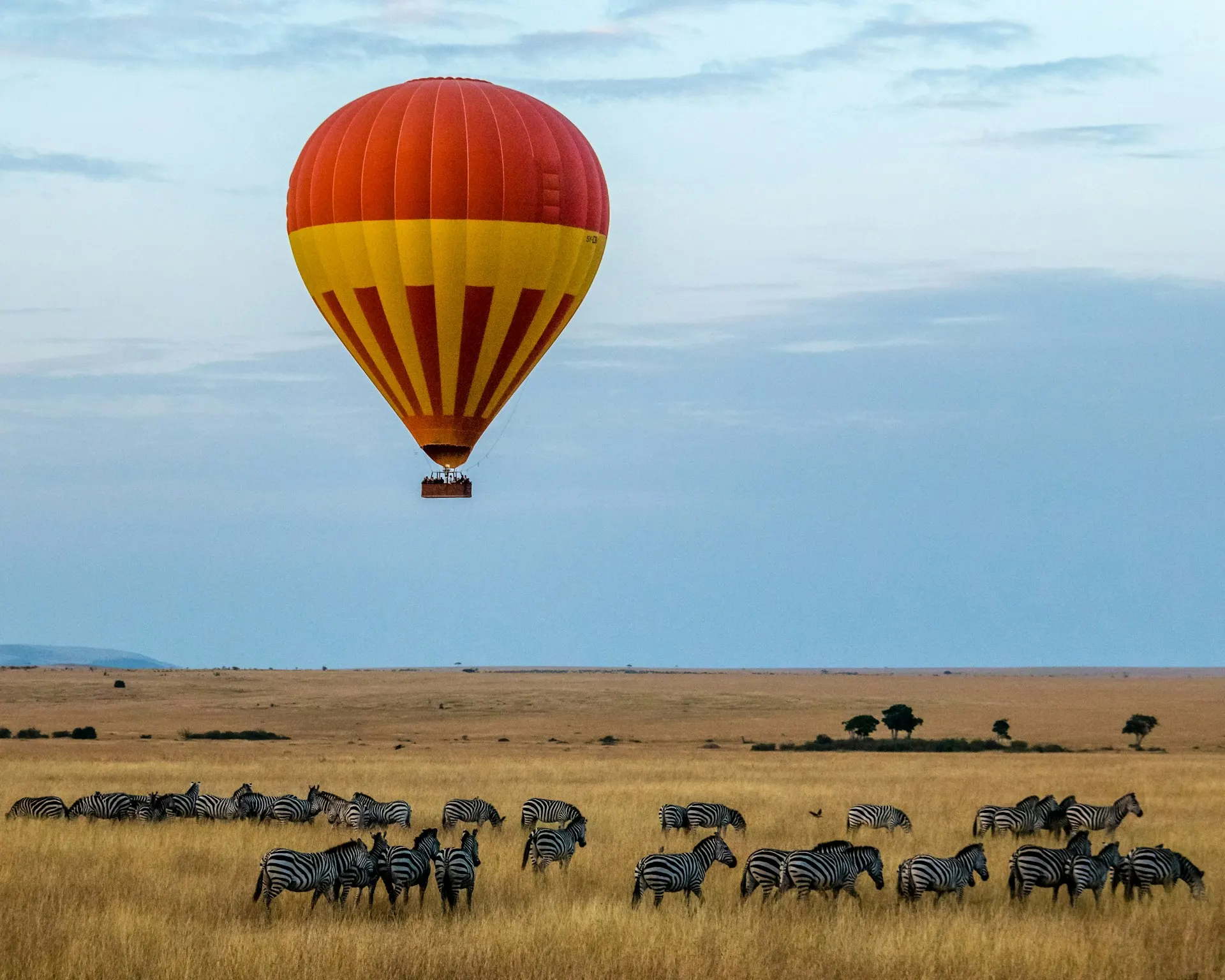
The Great Migration is the continuous movement of wildebeest, zebra and other grazers through the Serengeti-Mara ecosystem of northern Tanzania and southern Kenya. Tanzania National Parks describes the migration as the defining feature of the wider ecosystem and estimates that more than 1.5 million wildebeest take part alongside zebra and other herbivores.
The animals move in response to rain, fresh grass and available water. That makes the migration a cycle rather than a scheduled parade. You can plan for the area where the herds are usually found in a given season, but recent rainfall and local reports should guide the final camp and game-drive plan.
January to March: calving on the southern plains
Early in the year, large herds usually spread across the short-grass plains of the southern Serengeti and the Ngorongoro Conservation Area. January and February are especially associated with calving. TANAPA notes that the peak calving period is concentrated into a few weeks, creating intense predator-and-prey activity across an otherwise open landscape.
This season suits travellers who want newborn animals, broad green plains and patient wildlife observation. It is not a river-crossing season. A useful route normally focuses on the southern Serengeti, with time in Ngorongoro and other northern Tanzania parks rather than rushing north to the Mara River.
April to May: green season and changing herds
As the long rains develop, the plains become greener and the herds begin to gather and move northwest. This can be an excellent period for dramatic skies, birdlife, fewer vehicles and lower seasonal pressure at some camps. It can also bring muddy tracks, slower road journeys and changes to camp access.
Travellers who value atmosphere and photography may enjoy this period, provided they accept flexible routing. Ask which camps are open, how road conditions are being monitored and whether a fly-in sector would protect useful game-drive time.
June to July: the movement turns north
By the middle of the year, columns of wildebeest often move through the western corridor and toward the northern Serengeti. Depending on rainfall, some groups may cross rivers in western Serengeti while others follow different routes through the ecosystem. The animals do not all travel together in one compact herd.
June and July can work well for travellers who want dry-season game viewing and a chance to see large moving herds without making a Mara River crossing the only measure of success. Combine the Serengeti with Tarangire or Ngorongoro for a more complete northern Tanzania safari.
July to October: northern Serengeti and Masai Mara
This is the best-known migration window. Herds are often in the northern Serengeti and Kenya's Masai Mara, and crossings may occur at different points along the Mara River. A crossing can begin after hours of waiting, stop abruptly or happen beyond the area a vehicle can reach. The animals may also cross back and forth rather than moving in one direction only.
Plan at least three nights in the relevant area if river activity is a priority. One rushed afternoon is a poor strategy. A good guide watches herd direction, weather, vehicle reports and safe viewing rules without crowding the animals or blocking their approach to the river.
November to December: the cycle turns south
Short rains usually encourage fresh grazing farther south, and the herds begin moving from Kenya and northern Tanzania toward the central and southern Serengeti. The timing varies. This period can offer active herds, green landscapes and fewer vehicles than the peak crossing months.
Choose camps that match current movement rather than relying on last year's photographs. The migration is spread over a vast ecosystem, and different groups may be many kilometres apart.
Choose the migration experience you actually want
- Calving and newborns: southern Serengeti, mainly January to March.
- Large herds moving north: western and central Serengeti, broadly May to July.
- Possible Mara River crossings: northern Serengeti and Masai Mara, broadly July to October.
- Green landscapes and fewer vehicles: selected periods in April, May, November and December.
- A balanced first safari: combine migration country with a contrasting park instead of following only one predicted herd location.
Browse FAD's Kenya and Tanzania safari combinations or the Tanzania safaris from Arusha to compare practical routes.
How to plan without overpromising nature
Start with a travel window of several days, then decide whether calving, moving columns or river country matters most. Ask where each camp sits in relation to the expected herds and how many full game-drive days the itinerary provides. Camps described simply as “Serengeti” can be hours apart.
Book early for July through October and for the southern Serengeti calving period, particularly when you need family rooms or a specific camp standard. Keep the final route responsive to current conditions. A well-planned safari offers excellent wildlife viewing even if the herd does not cross a river while you are watching.
Responsible migration viewing
TANAPA's Mara River guidelines require vehicles to use designated viewing areas and remain stationary when animals gather to cross. These rules protect the animals' route to the water and make the experience safer. Choose guides who value patient positioning over chasing or surrounding a herd.
Wildebeest migration questions
What is the best month for the wildebeest migration?
There is no single best month. January and February suit calving in the southern Serengeti, while July to October is the usual window for northern Serengeti and Masai Mara river country.
Can a safari guarantee a Mara River crossing?
No. Crossings are controlled by wildlife, rain and grazing conditions. More nights in the correct area improve your opportunity, but a specific crossing cannot be guaranteed.
Is the migration only in Kenya?
No. The migration is a year-round cycle across Tanzania's Serengeti and Kenya's Masai Mara, with much of the annual movement taking place in Tanzania.
How many nights should I allow for migration viewing?
Three or four nights in the relevant migration area provide a stronger plan than a single rushed night, especially when river activity is the priority.
Is the Serengeti worth visiting outside migration peak months?
Yes. The Serengeti supports resident wildlife throughout the year, and green-season landscapes, birdlife and lower visitor pressure can be rewarding.
Official planning sources
- Tanzania National Parks: Serengeti National Park
- TANAPA: Mara River migration crossing guidelines
- Kenya Tourism Board: Masai Mara and the Great Migration
Ready to match dates with the right sector? Send your month, trip length and preferred countries through the safari planning form.
